
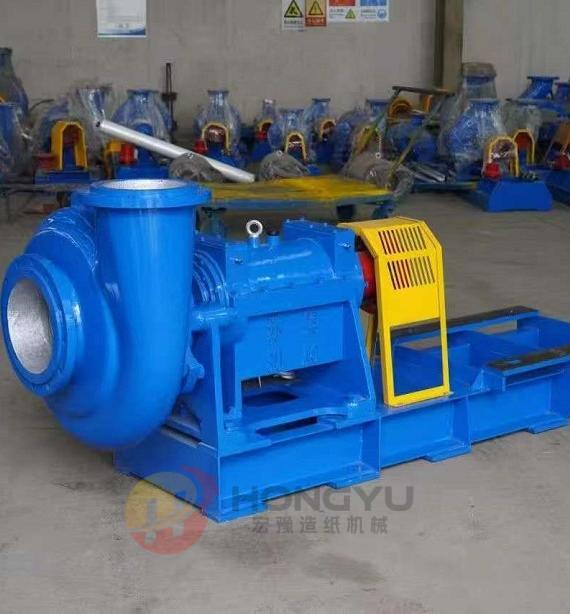
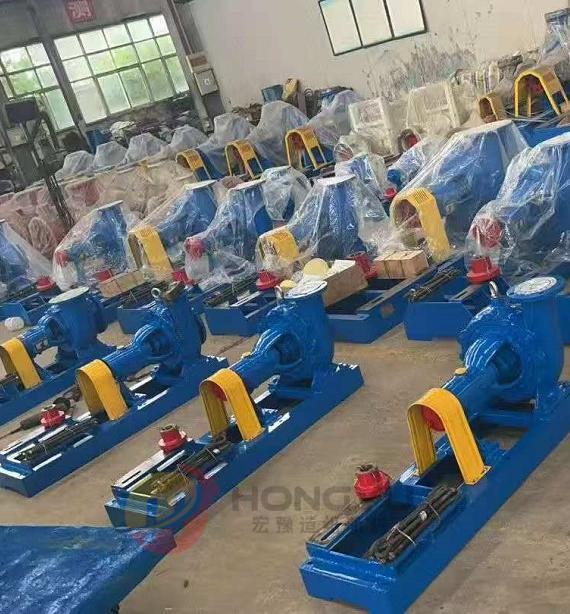
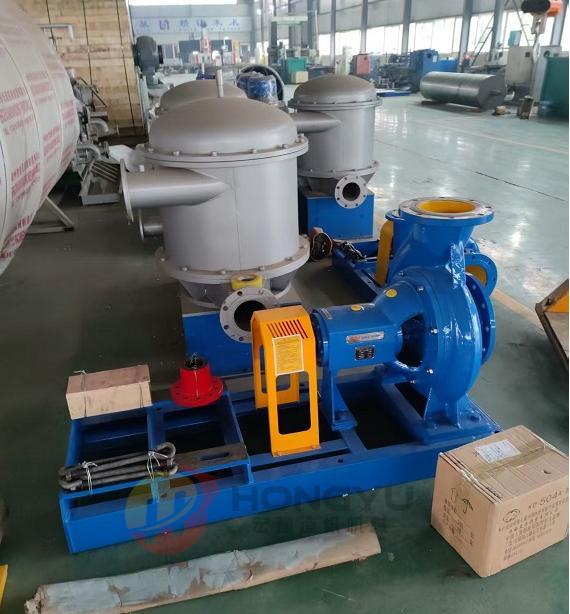
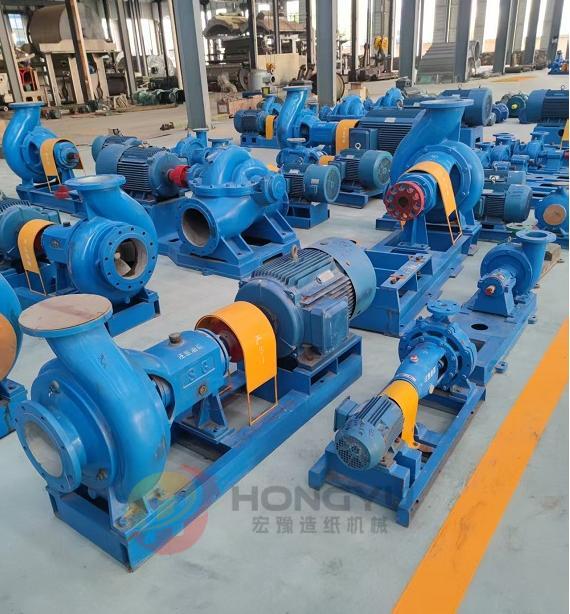
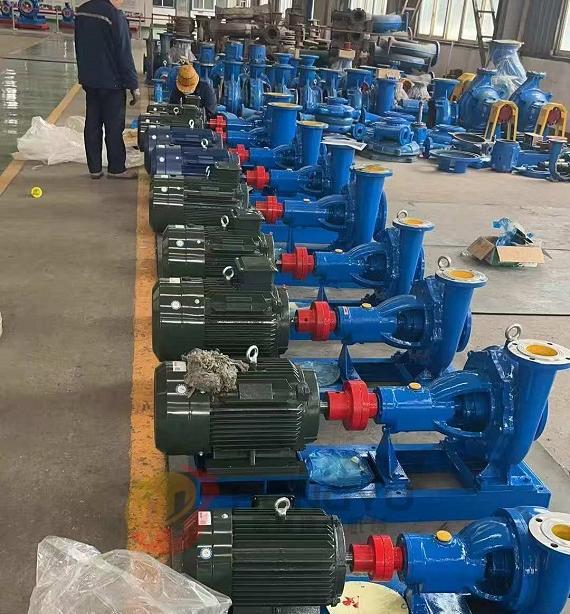
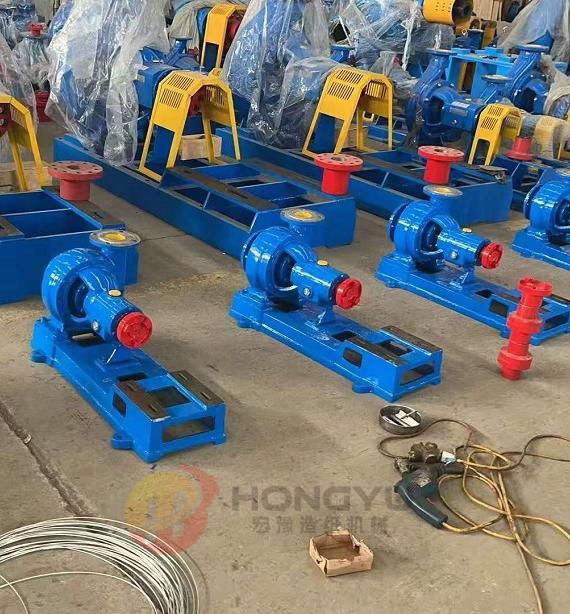
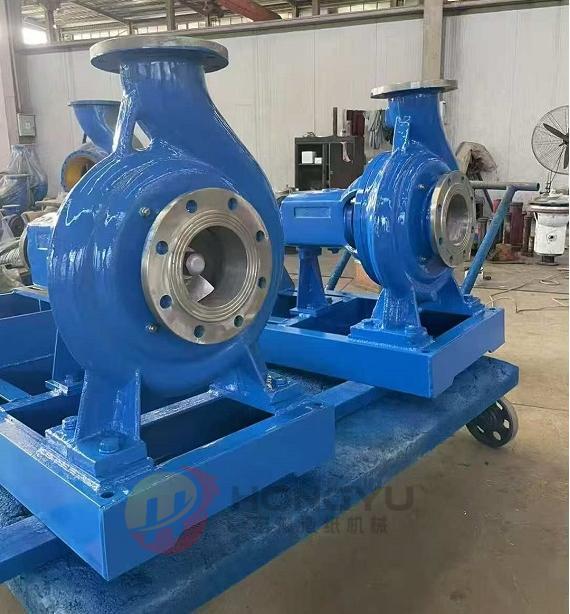
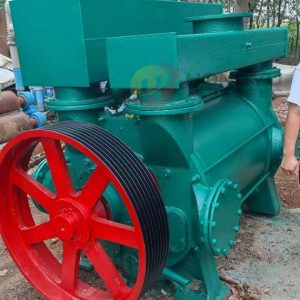
The pulp pump is a specialized centrifugal or positive-displacement pump designed exclusively for transferring pulp slurry in papermaking production lines, spanning from raw material pulping to the final papermaking section. Unlike conventional water pumps, it is engineered to handle viscous, fiber-rich slurries without clogging or damaging pulp fibers, serving as a critical link for seamless material flow across all stages of paper manufacturing.
Core Structure & Working Principle
-
Basic Structure
A typical pulp pump has five key components, optimized for fiber slurry compatibility:
- Non-clogging impeller: The core working unit, featuring open or semi-open blades with large flow channels (wider than standard water pump impellers) to prevent fiber entanglement and clogging. The blades are made of wear-resistant alloy steel or rubber-lined materials to withstand abrasion from pulp impurities.
- Reinforced pump casing: A volute-shaped casing with a smooth inner surface (often coated with anti-wear rubber or ceramic) to reduce slurry friction and fiber damage during transport. The casing’s inlet and outlet are sized to match pulp flow rates, avoiding sudden pressure changes that could break fibers.
- Shaft & sealing system: A corrosion-resistant shaft paired with a mechanical or stuffing-box seal that prevents pulp leakage and blocks air from entering the pump, maintaining stable slurry pressure and flow. For high-consistency pulp, double mechanical seals are used to enhance sealing performance.
- Drive motor: A variable-speed motor (or fixed-speed motor with frequency converter) that adjusts rotational speed to control pulp flow rate, matching the throughput of upstream and downstream equipment (e.g., hydrapulpers, screens, paper machines).
- Fiber protection components: Optional accessories like inlet guide vanes or flow straighteners that reduce turbulence at the pump inlet, minimizing fiber shortening or fragmentation during transfer.
-
Operational Mechanism
Pulp pumps operate based on two main principles, depending on pulp consistency:
- For low-to-medium consistency pulp (≤8%): Most use a centrifugal design. When the impeller rotates, it creates centrifugal force that accelerates the slurry toward the pump casing’s outlet. The large impeller channels allow fibers to pass through freely, while the smooth casing inner wall reduces fiber shear and damage. The variable-speed motor adjusts flow rate to align with production line demands (e.g., feeding pulp from a hydrapulper to a cylindrical screen).
- For high-consistency pulp (>8%): Positive-displacement pumps (e.g., screw or lobe pumps) are used. These pumps trap pulp in sealed chambers between rotating screws or lobes and push it toward the outlet at a steady rate, maintaining constant pressure even with viscous, fiber-dense slurry. This avoids the flow loss and fiber damage that centrifugal pumps cause with high-consistency pulp.
Key Functions & Application Scenarios
- Full-line Pulp Transport: Transfers pulp slurry across all papermaking stages—from feeding pulped slurry out of hydrapulpers, to delivering screened pulp to refiners, and supplying qualified pulp to paper machine headboxes—ensuring uninterrupted production flow.
- Fiber Integrity Protection: The specialized impeller and casing design minimizes fiber shortening or breakage, preserving the physical properties (tensile strength, bursting resistance) of the pulp to ensure final paper quality.
- Adaptability to Variable Consistencies: Can handle pulp with consistency ranging from 1% (diluted screening slurry) to 15% (concentrated refining pulp) by switching between centrifugal and positive-displacement models, suiting diverse process requirements.
- Wastewater & Sludge Handling: Some heavy-duty pulp pumps are adapted to transport papermaking wastewater or sludge to treatment systems (e.g., filter presses), supporting the mill’s environmental compliance and water recycling efforts.
There are no reviews yet.