
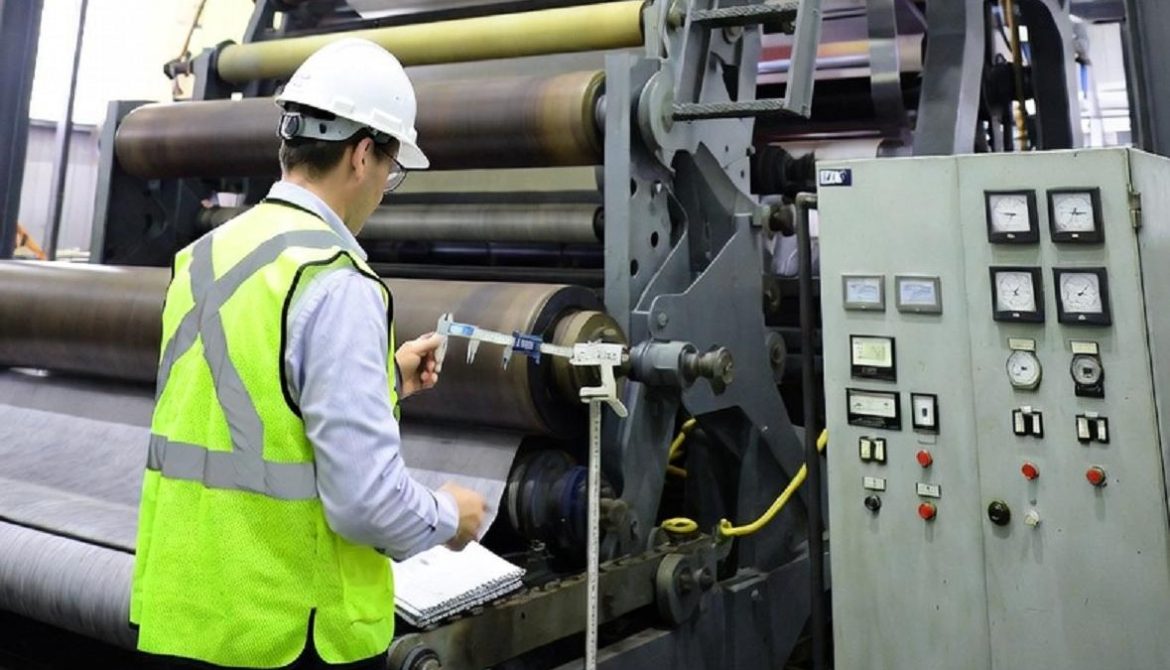
In the paper industry, purchasing pre-owned equipment is a brilliant move for ROI, but the market can be a minefield for the unprepared. A “bargain” can quickly turn into a financial pitfall if you miss critical red flags during the site visit.
To help you secure a reliable asset, we’ve compiled this expert-level inspection checklist. Bookmark this guide before you head to the mill!
1. The Core Components: The “Heart and Skeleton”
Drying Cylinders (The Critical Asset)
Surface Integrity: Check for deep scratches, pitting, or corrosion on the cylinder face. These defects will translate directly onto your finished paper.
Wall Thickness & Certification: This is non-negotiable. Request the Pressure Vessel Inspection Report. Use an ultrasonic thickness gauge on-site to ensure the cylinders meet safety standards for your required steam pressure.
The Press Section
Roll Conditions: Inspect rubber-covered rolls for de-bonding or cracks and stone rolls for chips.
Bearing Health: Listen for abnormal noise or vibration during a dry run (if possible). High-end bearings (SKF, FAG) are durable, but replacing them due to poor maintenance is a massive hidden expense.
2. Uncovering Hidden Costs: Beyond the Surface
Are the Spare Parts Included?
Many buyers focus solely on the machine and forget the consumables.
Inventory Check: Does the deal include extra sets of wires, felts, and doctor blades? Are there spare rolls or gearboxes? Buying these items new can add hundreds of thousands of dollars to your startup costs.
Technical Documentation & Drawings
Blueprints are Gold: A machine without electrical schematics and assembly drawings is a nightmare to reinstall and repair. Ensure the original manuals and PLC programs are part of the sale.
3. Electrical & Automation: The Danger Zone
While the mechanical parts of a 20-year-old machine might be indestructible, the electronics often become obsolete.
System Support: Check the PLC/DCS models. If the system is no longer supported by the manufacturer (e.g., older Siemens or ABB generations), spare parts will be rare and expensive.
The Strategy: If the mechanics are perfect but the electronics are dated, factor the cost of a full control system upgrade into your negotiation.
4. Three “Must-Ask” Questions for the Seller
Don’t just listen to the sales pitch—interrogate the machine’s history:
“How long has the machine been idle?”
Machines sitting for over a year are prone to brittle seals and seized bearings.
“What was the actual operating speed vs. the design speed?”
This reveals if the machine was chronically overworked or “pushed” beyond its limits.
“What is the genuine reason for decommissioning?”
Was it a mill closure (usually well-maintained), or was the machine failing to meet quality/environmental standards?
5. The Used Equipment “Quick-Check” List
| Inspection Item | Status (OK/NG) | Notes |
| Frame & Foundation | Check for cracks or signs of “patch-up” welding. | |
| Drive System | Inspect gearboxes for oil leaks or backlash. | |
| Headbox | Check lip flatness and internal cleanliness. | |
| Vacuum System | Verify the efficiency of vacuum pumps. | |
| Compliance | Does the machine meet your local energy/safety codes? |
Conclusion: Professional Eyes Save Millions
Buying a used paper machine is a strategic chess move. Remember: “Cheap” is never the goal—”Operational Excellence” is. If you don’t have a deep technical background, always bring a third-party engineering consultant to the inspection.
![Image Suggestion: A handshake in front of a dismantled machine being loaded for transport, symbolizing a successful deal.]
Looking for High-Performance Used Paper Machines?
We provide:
Global Asset Sourcing: Matching your capacity needs with verified machines.
Dismantling & Retrofitting: Engineering support to make old machines run like new.
Want to know the current market value for a specific brand or paper grade? Leave a comment below or send us a direct message!


