
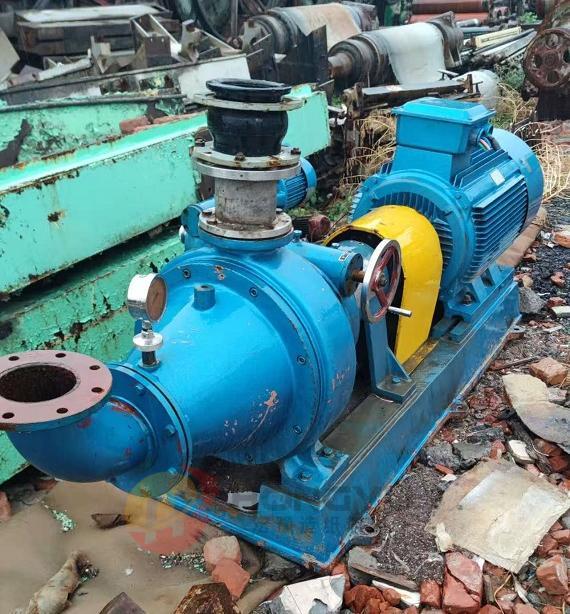
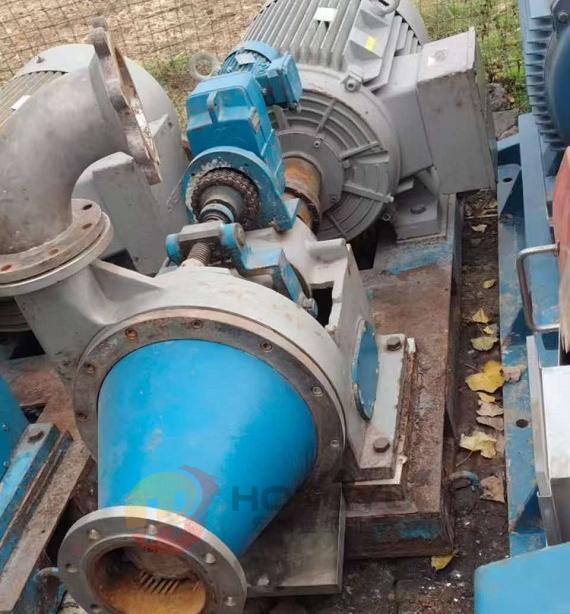
Core Structure & Working Principle
-
Basic Structure
The key components of a conical refiner include a tapered rotor (the rotating conical core), a stationary conical stator (the fixed outer cone surrounding the rotor), a drive motor, a pulp feeding system, and a housing with lubrication and cooling mechanisms. The rotor and stator surfaces are lined with wear-resistant alloy plates featuring precision-machined bar and groove patterns, which create a gradually narrowing gap along the cone’s length (from the wider inlet end to the narrower outlet end).
-
Operational Mechanism
Raw pulp is fed into the wider, low-pressure inlet of the conical chamber, where it first enters the larger gap between the rotor and stator. As the rotor rotates at high speed (typically 500–1200 RPM), the pulp is progressively pushed toward the narrower outlet end, moving through a decreasing gap that increases the mechanical force applied to the fibers. Along this path, the pulp undergoes layered shearing, rubbing, and kneading: the wider inlet gap gently separates fiber bundles, while the narrower outlet gap refines fiber surfaces to promote fibrillation (the formation of micro-fibrils that boost bonding strength). Unlike disc refiners, the conical design distributes force evenly across the fiber, minimizing fiber cutting and maximizing length retention. The refined pulp is then discharged from the narrow end and sent to subsequent papermaking processes.
Key Functions & Application Scenarios
- Fiber Length Preservation: Its tapered gap design reduces excessive fiber shortening, making it perfect for processing softwood pulps (e.g., pine, spruce) that rely on long fibers for tensile and burst strength.
- Gradual Refining: The stepped gap enables staged fiber treatment, from bundle separation to surface fibrillation, ensuring uniform pulp quality and consistent paper formation.
- Energy Efficiency: The conical chamber’s flow dynamics reduce pulp turbulence compared to disc models, lowering energy consumption while maintaining refining effectiveness.
- Specialized Pulp Production: Used for manufacturing high-strength pulps for corrugated cardboard, kraft paper, and specialty papers, as well as for refining recycled pulp without over-damaging residual fibers.
There are no reviews yet.