
Core Structure & Working Principle
-
Basic Structure
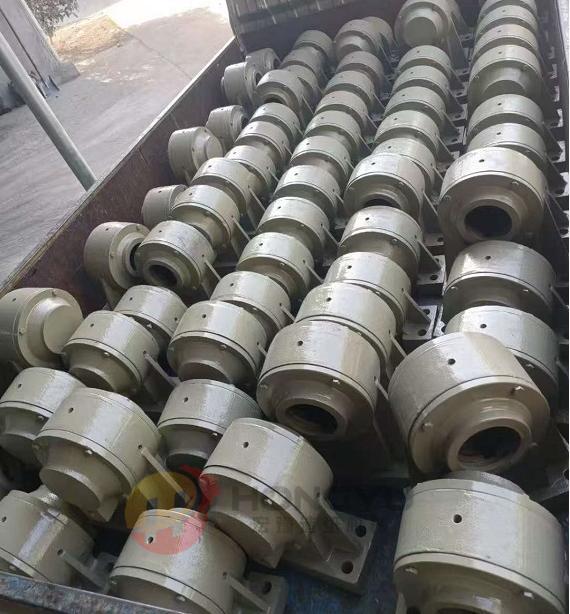
A typical bearing housing for papermaking equipment is made of cast iron or heavy-duty aluminum alloy for high rigidity and heat resistance. Its design varies by application, but key components include:
- A hollow cavity to fit the bearing (with precision-machined inner surfaces for tight alignment)
- Mounting flanges or brackets to attach to the machine frame
- Sealing elements (e.g., oil seals, dust rings) to prevent pulp slurry, moisture, or workshop dust from entering
- Lubrication ports or channels for delivering grease/oil to the bearing
- Drainage holes to remove excess lubricant or condensed moisture
Split-type bearing housings are widely used in papermaking lines for easy maintenance—they can be opened into two halves without removing the entire shaft, reducing downtime for bearing replacement. -
Operational Role
When the machinery’s shaft rotates, the bearing inside the housing minimizes friction between the rotating shaft and the stationary frame. The housing fixes the bearing in a fixed position to prevent axial or radial displacement, which is critical for maintaining the alignment of rollers (e.g., coating rollers or forming wires) and avoiding paper web defects. It also contains lubricant to keep the bearing running smoothly and dissipates heat generated by friction, preventing overheating and premature bearing failure.
Key Functions & Application Scenarios in Papermaking
- Bearing Protection: Shields bearings from corrosive papermaking slurry, humid workshop air, and abrasive dust, extending the bearing’s service life.
- Precision Alignment: Maintains the bearing’s position relative to the shaft and frame, ensuring stable rotation of rollers and preventing paper web misalignment or breaks.
- Lubrication Management: Provides a sealed space for lubricants, ensuring consistent lubrication and preventing leakage that could contaminate pulp or finished paper.
- Easy Maintenance: Split housing designs enable quick bearing inspection and replacement, reducing production downtime for large papermaking machines like fourdrinier formers and coaters.
There are no reviews yet.