
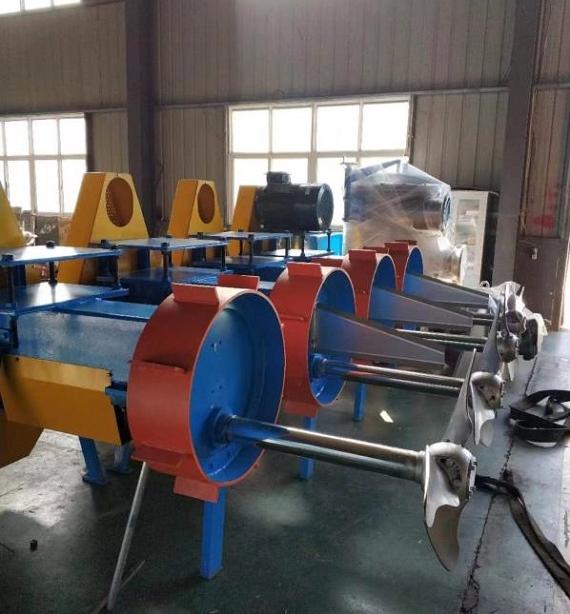
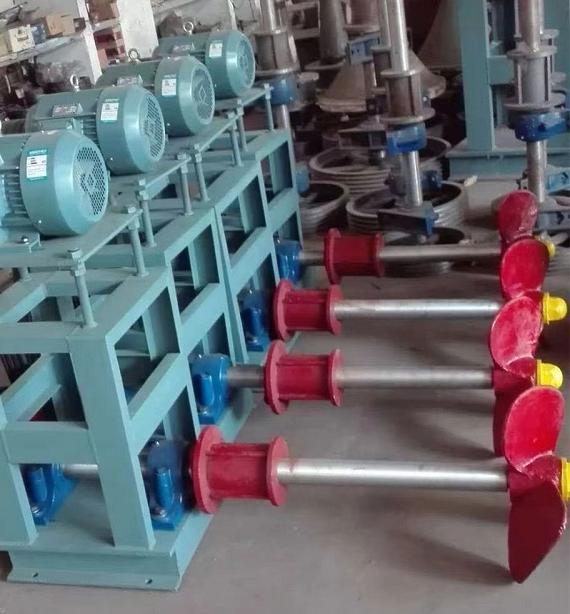
Core Structure & Working Principle
-
Key Structural Features
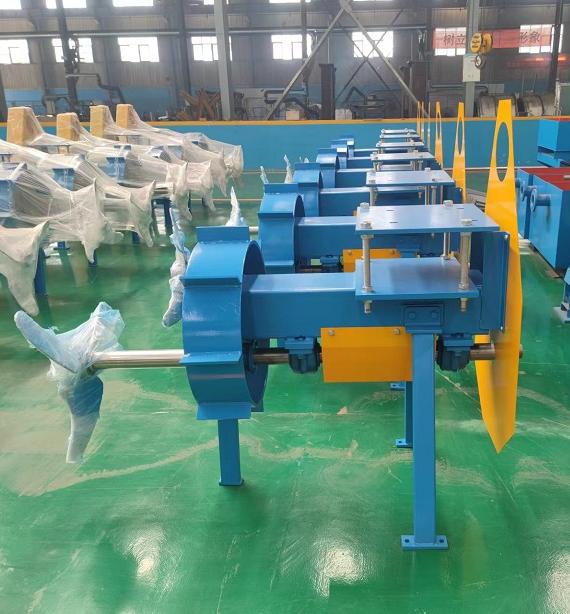
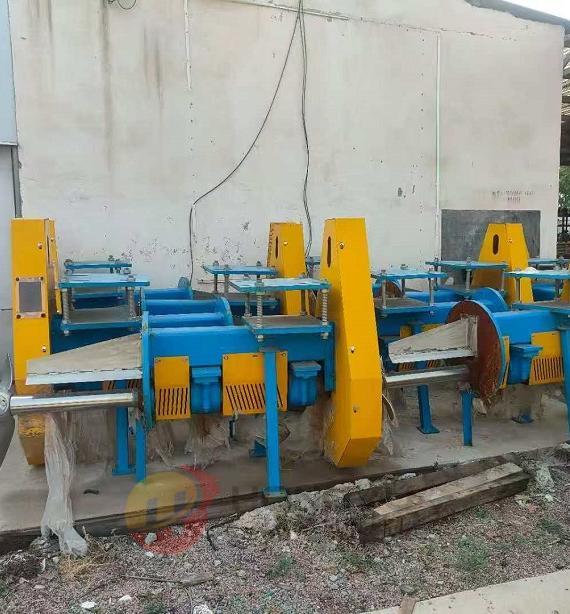
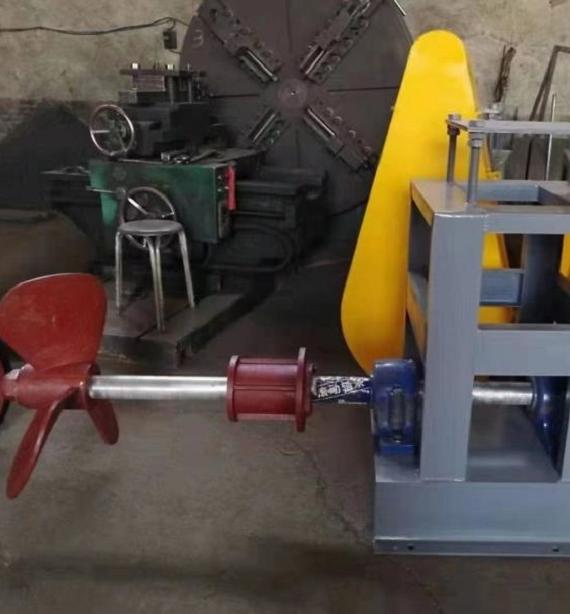
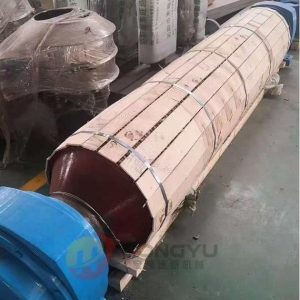
- Helical blade assembly: The core functional part, typically consisting of 2–4 narrow, curved stainless steel blades with a spiral profile. The blade design is optimized for fluid dynamics, minimizing energy loss while maximizing axial thrust to drive slurry in a specific direction.
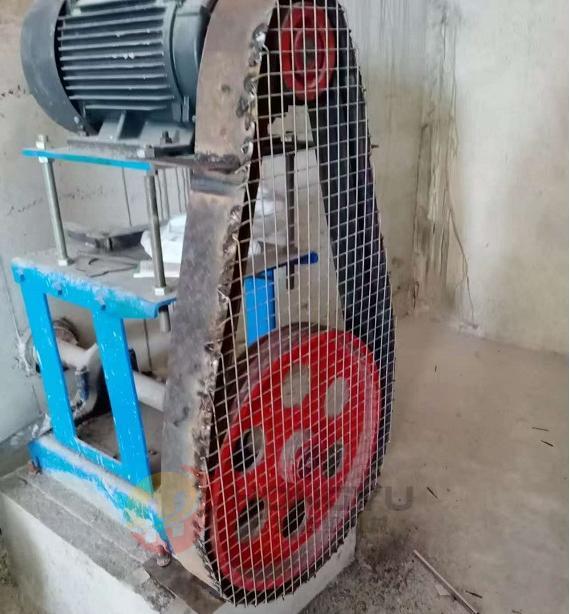
- Drive shaft & motor: A corrosion-resistant shaft connects the blade assembly to a low-to-medium power motor (often with variable speed control). The motor’s rotational speed can be adjusted to match slurry viscosity and flow requirements, ensuring flexible operation for different pulp consistencies.
- Mounting system: Propellers are usually vertically installed in pulp tanks, hydrapulper chambers, or slurry transfer ducts, with their axis aligned to the desired direction of slurry flow. Some models feature adjustable mounting angles to fine-tune thrust direction for specific tank or duct layouts.
-
Operational Mechanism
When the motor drives the helical blades to rotate, the propeller creates a strong axial fluid flow through the principle of fluid displacement:
- The curved blades push against the surrounding pulp slurry, generating forward thrust that propels the slurry along the blade’s rotational axis.
- While the primary goal is directional transport, the rotational motion also creates mild turbulence in the surrounding slurry, which helps prevent localized fiber settling and maintains basic consistency uniformity.
- In high-consistency pulp systems (e.g., inside a high-consistency hydrapulper), the propeller’s thrust drives slurry recirculation, enhancing the contact between waste paper fibers and the hydrapulper’s rotor, thereby assisting in more efficient fiber dissociation.
Key Functions & Application Scenarios in Papermaking
-
Directional slurry conveyance
It is commonly used at the outlet of large pulp tanks or upstream of pulp pumps, where it pushes uniformly mixed slurry toward the pump inlet, ensuring a stable material supply and avoiding pump cavitation caused by fiber sedimentation at the tank bottom. It can also facilitate slurry flow in long-distance pulp ducts, reducing the load on dedicated transfer pumps.
-
Auxiliary pulp dissociation
In hydrapulpers (especially high-consistency and D-type hydrapulpers), the propeller drives circular slurry flow inside the tank, making waste paper bales repeatedly contact the hydrapulper’s rotor. This recirculation effect boosts the efficiency of fiber separation and reduces the time required for complete pulp dissociation.
-
Secondary slurry homogenization
While not designed for intensive mixing, the propeller’s rotational motion prevents fiber stratification and sedimentation in large storage tanks or hydrapulper chambers, maintaining a consistent pulp consistency across the entire volume of the vessel and supporting downstream process stability.
-
Low-energy slurry circulation
Compared to high-power agitators or pulp pumps, propellers consume less energy when driving large-volume slurry circulation, making them a cost-effective solution for maintaining slurry dynamics in mid-sized pulp processing units, such as transition tanks between screening and refining stages.
There are no reviews yet.