
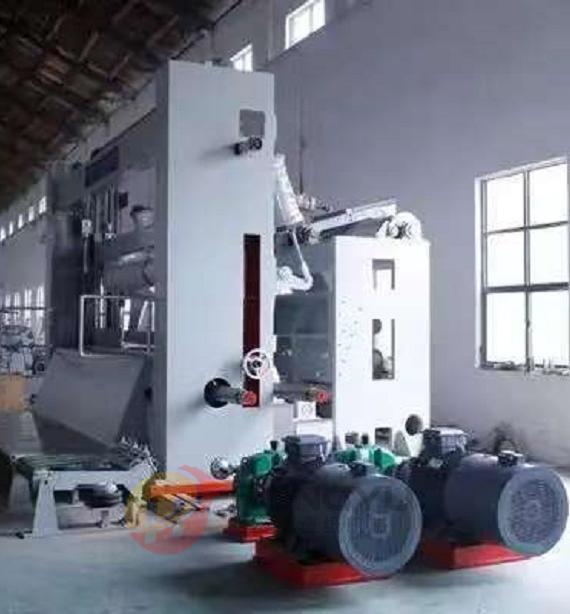
Core Functions & Working Principle
-
Roll Slitting & Rewinding
The rewinder first unwinds the large parent roll, then uses circular blades to slit the paper web into narrower widths as needed. The slit paper strips are then rewound onto individual cores to form smaller, uniform-diameter finished rolls that fit end-use applications (e.g., toilet paper rolls, office paper reams, packaging paper rolls).
-
Defect Removal
During the rewinding process, integrated detection systems identify and mark paper defects (such as holes, stains, or uneven thickness). The machine either automatically trims out defective sections or flags them for manual removal, ensuring only qualified paper is wound into final products.
-
Tension & Tightness Control
Advanced rewinders are equipped with precision tension control systems to maintain consistent web tension throughout unwinding, slitting, and rewinding. This ensures the finished rolls have uniform tightness, preventing loose layers or core slippage during storage or use.
Key Types & Applications
- Slitting rewinder: The most common type, combining slitting and rewinding functions for converting wide parent rolls into narrow, custom-width rolls, widely used in packaging and office paper production.
- Tissue rewinder: Specialized for household tissue (toilet paper, facial tissue), with features to add embossing, perforations, and coreless winding for consumer products.
- Non-woven rewinder: Adapted for non-woven fabrics, used in hygiene product manufacturing (e.g., diapers, wipes) to process large non-woven rolls into usable sizes.
There are no reviews yet.