
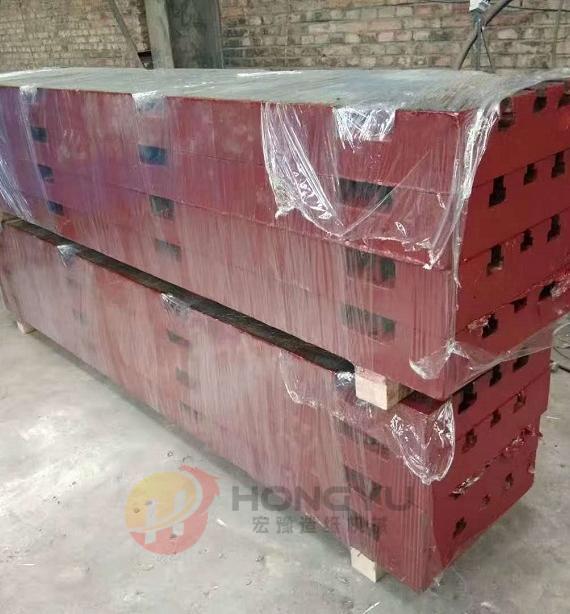
Core Structure & Working Principle
-
Basic Structure
A ground rail usually consists of high-strength steel rails (such as H-beam or T-beam rails), fixed brackets, positioning fasteners, and a wear-resistant surface layer. Some precision models are equipped with scale markings or limit sensors for accurate position control, while heavy-duty versions feature reinforced foundations to withstand the load of large papermaking equipment (e.g., reel trolleys, coating machine maintenance frames).
-
Operational Logic
Matching sliding or rolling components (e.g., rail wheels, linear sliders) are installed on the bottom of the moving equipment. When the equipment operates, these components move along the ground rail’s track, ensuring linear or fixed-path movement. The rail’s rigid structure prevents deviation during operation, and its fixed installation ensures long-term stability even under high-frequency or heavy-load conditions.
Key Functions & Application Scenarios in Papermaking Industry
- Equipment Movement & Positioning: Used for the transfer of large finished paper rolls (via rail-mounted trolleys) and the precise positioning of maintenance platforms for large papermaking machines (e.g., fourdrinier formers, coaters), ensuring safe and accurate equipment handling.
- Logistics Optimization: Streamlines the workshop material transport route, reducing the risk of collision between heavy carts and papermaking production lines, and improving the overall operational efficiency of the plant.
- Load Bearing & Stability: Supports heavy-duty equipment (with load capacities ranging from several tons to tens of tons) during movement, avoiding deformation or displacement of the factory floor caused by concentrated loads.
There are no reviews yet.