
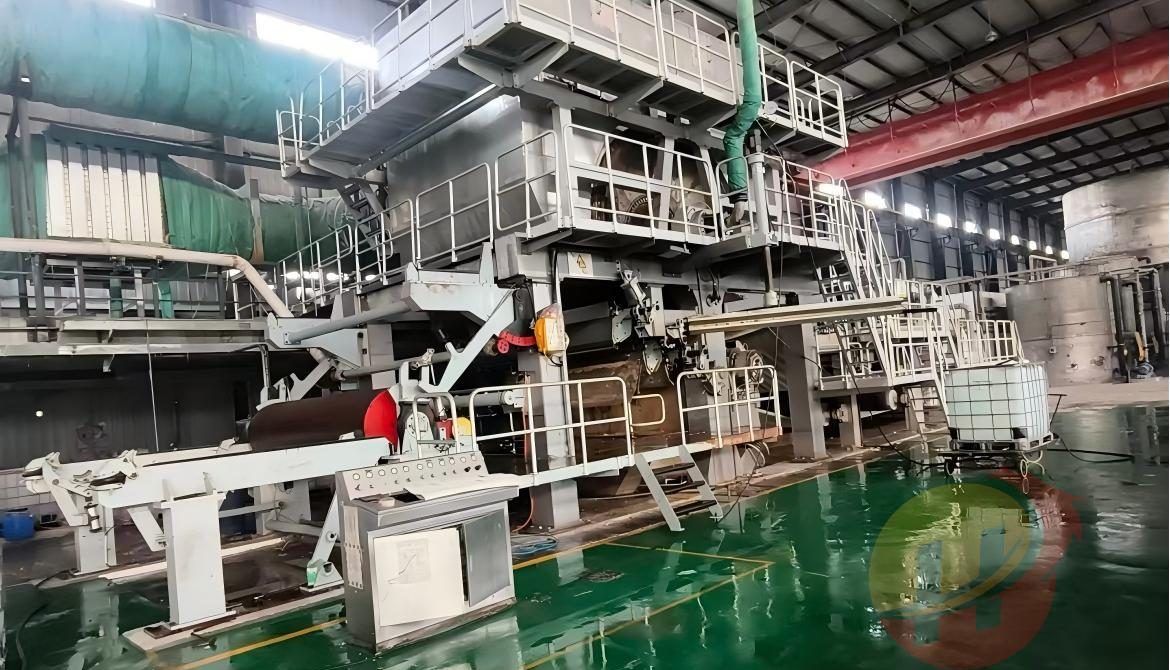
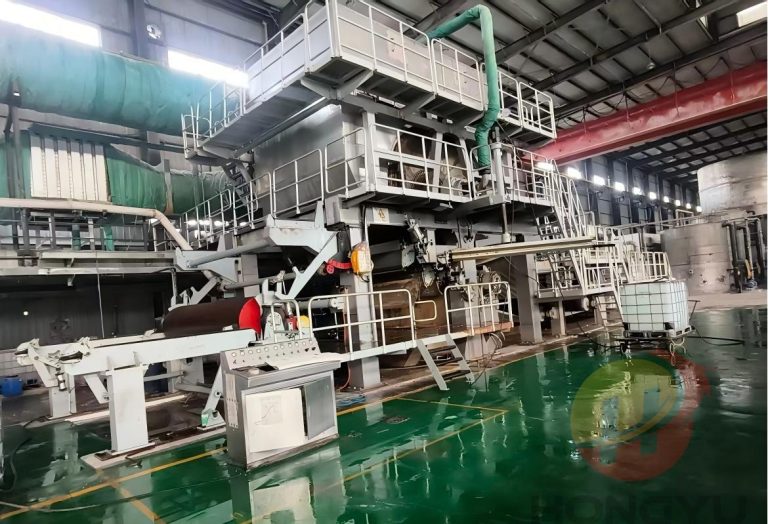
In the paper industry, equipment investment accounts for over 70% of total project costs. Faced with a choice between a gleaming, multi-million dollar new production line and a high-performance used paper machine, which path leads to better profitability?
Today, we will challenge the “new is always better” mindset and analyze why a used paper machine is often the ultimate “fast track” to success for paper mills.
I. Used vs. New: A Side-by-Side Comparison
| Metric | New Paper Machine | Quality Used Paper Machine |
| Initial Investment | Extremely high; heavy cash flow strain | Low (typically 30% – 60% of the cost of new) |
| ROI (Return on Investment) | Long-term (often 8–10 years) | Rapid (often 2–3 years) |
| Lead Time | 6–12 months (manufacturing + shipping) | Immediate (available for dismantling & shipping) |
| Stability | Requires a long “teething” period | Proven performance; stable runnability |
| Asset Depreciation | Sharp drop in value after installation | High value retention; minimal further depreciation |
II. Why Used Machines Win: 3 Core Business Advantages
1. Accelerated Capital Recovery
The paper industry is notoriously capital-intensive.
The New Machine Trap: High debt service and heavy depreciation can cripple a mill during market downturns.
The Used Advantage: Low entry costs allow you to reach the “break-even point” much faster. In a volatile market, liquidity is king.
2. Access to “Elite” Engineering
Many high-quality used machines originate from world-class manufacturers (such as Valmet, Voith, or Andritz). These machines were built with superior metallurgy and precision engineering that often outlasts modern, low-cost “budget” new machines. Buying used allows you to acquire premium technology at a commodity price.
3. Eliminated “Break-in” Costs
A new machine is a prototype until it’s fully calibrated—a process that can take months of wasted energy, manpower, and raw materials. A used machine is a proven asset. Its drying curves, dewatering capacity, and drive synchronization are already established, allowing for an almost immediate ramp-up to full production.
III. Deep Dive: Why "Old" Can Be Better Than "New"
A common misconception is that used means “obsolete.” In reality, used machines offer a unique strategic flexibility:
The “Retrofit” Advantage
The money saved on the initial purchase of a used machine can be reinvested into targeted upgrades. For example:
Keep the heavy-duty original frame and drying cylinders.
Install a brand-new Headbox or Shoe Press unit.
Upgrade to the latest QCS/DCS Automation Systems.
This “New Wine in Old Bottles” strategy gives you 90% of the performance of a new machine at roughly 50% of the total cost.
Market Agility
With environmental regulations and market demands shifting rapidly, a lower-cost used asset allows your business to pivot more easily. If you need to relocate or switch paper grades, the financial “sunk cost” is significantly lower than that of a high-priced new installation.
Industry Insight: “A paper machine isn’t a trophy—it’s a profit engine. The best machine is the one that produces spec-compliant paper at the lowest cost per ton.”
IV. Pro Tips for Buying Used
To maximize your investment, keep these three points in mind:
Documentation: Ensure original technical drawings and maintenance logs are available.
History Check: Investigate what grades were produced and the reason for the original decommissioning.
Expert Dismantling: The quality of a used machine depends on the precision of its re-installation. Always hire a professional engineering team for leveling and alignment.
Conclusion
In an era where “Cost Reduction & Efficiency” are the watchwords of the industry, a used paper machine is no longer a compromise—it is a sophisticated investment strategy. It lowers the barrier to entry and preserves the cash flow needed for future growth.


