
Core Structure & Working Principle
-
Basic Structure
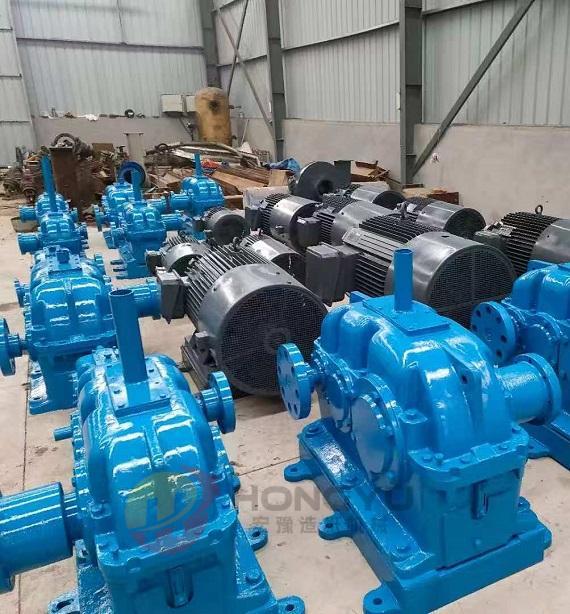
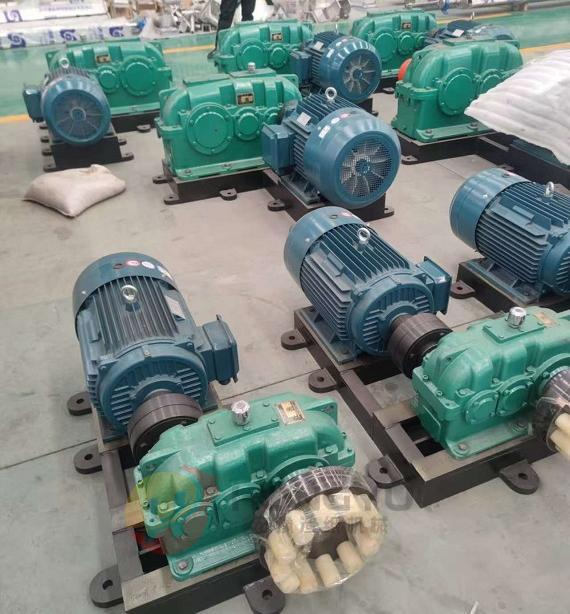
A typical reducer consists of a sealed gearbox housing, a set of precision-machined gears (or worm gear assemblies), input and output shafts, and lubrication systems. In papermaking applications, gear reducers (with spur, helical, or planetary gear configurations) are most widely used due to their high torque output and durability. The housing is typically made of cast iron or heavy-duty steel to withstand vibration and protect internal components from dust and moisture in the workshop environment.
-
Operational Mechanism
When the motor drives the reducer’s input shaft, the rotational motion is transferred through the internal gear train. The difference in the number of teeth between the driving and driven gears reduces the output speed—for example, a 10:1 gear ratio will lower a 1000 RPM motor speed to 100 RPM at the output shaft. At the same time, torque increases in direct proportion to the gear ratio (while accounting for minor energy losses), providing the high force needed to drive heavy rollers or move large paper rolls without stalling.
Key Functions & Application Scenarios in Papermaking
- Speed Regulation & Torque Enhancement: Matches the motor’s high speed to the low-speed operational requirements of papermaking units (e.g., 50–200 RPM for press rollers or cylinder moulds) while boosting torque to handle heavy loads.
- Operational Stability: Dampens motor vibration and ensures smooth, consistent rotation of working components, preventing paper web breaks or uneven forming caused by speed fluctuations.
- Load Protection: Acts as a mechanical buffer to absorb sudden load spikes (e.g., when a paper roll jams), protecting both the motor and the main machinery from damage.
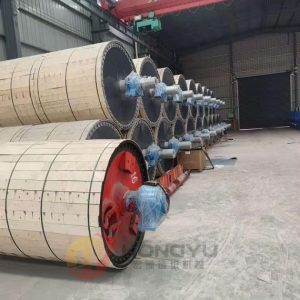
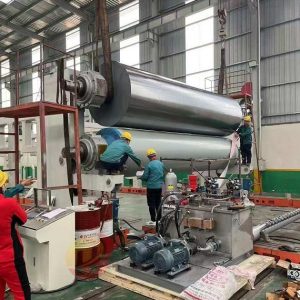
- Application Scope: Used across all papermaking equipment, including fourdrinier formers (to drive forming wires), coaters (to control coating roller speed), reelers (to wind finished paper rolls), and workshop logistics trolleys (to power movement along ground rails).
There are no reviews yet.