
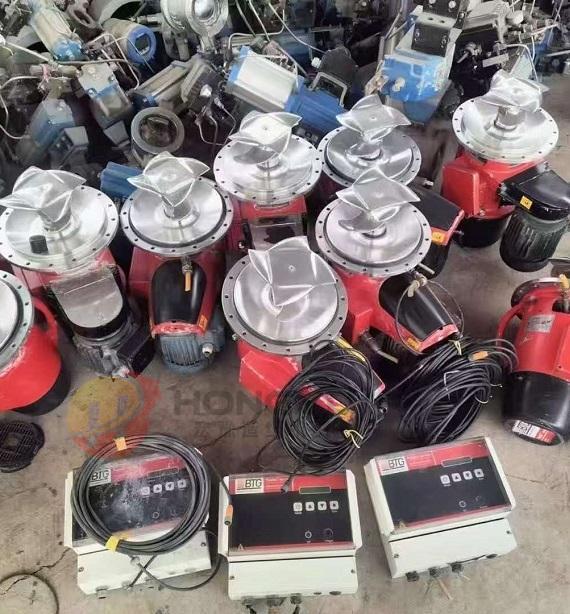
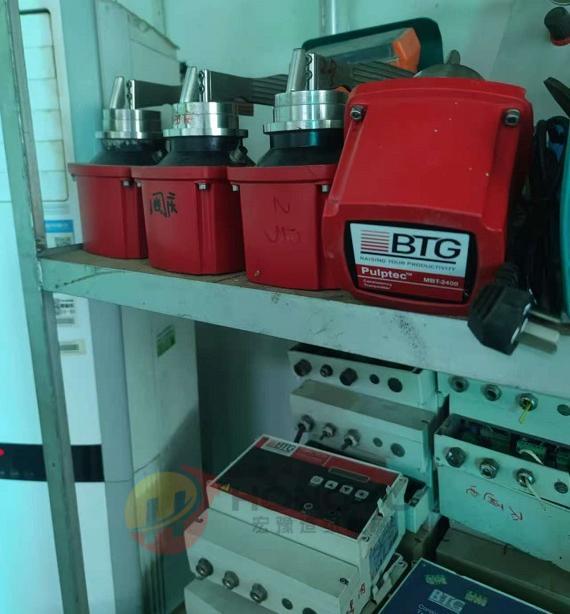
Core Functions & Benefits
-
Precise Concentration Monitoring
It detects the solid content ratio of pulp fibers in the slurry via built-in sensors (such as ultrasonic or optical sensors). This ensures the slurry maintains a stable, preset concentration level— a key factor for uniform paper basis weight, thickness, and strength.
-
Automatic Adjustment for Efficiency
When the slurry concentration deviates from the target value, the controller automatically regulates the addition of water or pulp to balance the ratio. This eliminates manual adjustment errors, reduces pulp waste, and boosts the overall efficiency of papermaking processes (e.g., headbox feeding, pulp mixing).
-
Adaptability to Papermaking Scenarios
Suitable for both wood pulp and recycled pulp production lines, it works seamlessly with core papermaking equipment like pulp mixers, stock chests, and headboxes. Its durable design resists corrosion from slurry and high humidity in workshop environments.

There are no reviews yet.