
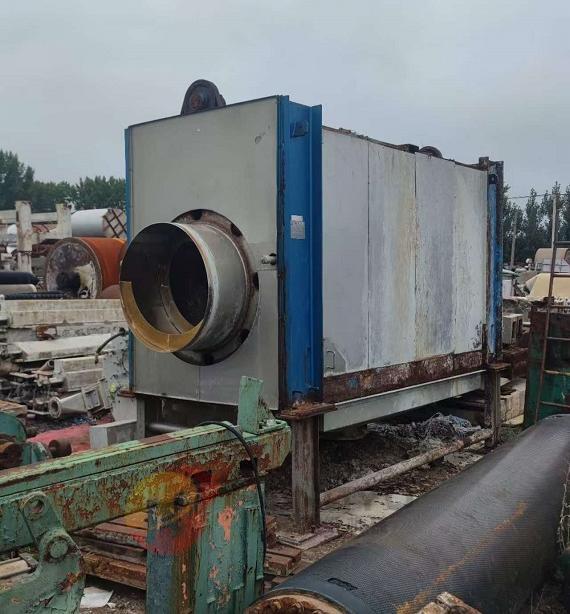
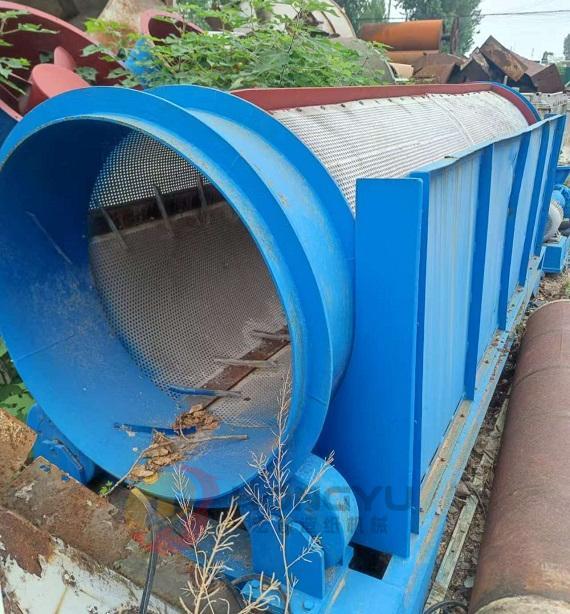
The cylindrical screen is a continuous, rotary classification and impurity-removal device used in the mid-to-late purification stage of papermaking pulping lines, especially for recycled waste paper pulp. It relies on a rotating cylindrical mesh structure to separate medium-sized contaminants from pulp slurry while grading fibers by length, serving as a key piece of equipment for improving pulp uniformity and reducing the impurity load of downstream refining systems.
Core Structure & Working Principle
-
Basic Structure
A typical cylindrical screen consists of four core components:
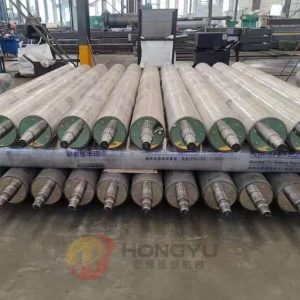
- Rotary cylindrical mesh: The core filtering unit, a hollow cylinder made of stainless steel mesh or slotted plates with precise aperture sizes (usually 0.5–3 mm, depending on pulp quality requirements). It is mounted at a slight incline (5°–15°) to facilitate material flow and impurity discharge.
- Drive system: A low-speed motor and gearbox that drive the cylindrical mesh to rotate steadily (5–20 RPM), ensuring uniform contact between pulp and the screen surface and preventing localized clogging.
- Feed & discharge assembly: A feed pipe that injects pre-screened pulp slurry into one end of the cylinder, and two discharge outlets—one for the accepts (fibers and water passing through the mesh) at the bottom of the cylinder, and another for the rejects (oversized impurities and long-fiber clusters) at the higher end of the incline.
- Cleaning system: A high-pressure water spray nozzle installed inside or outside the cylinder that periodically rinses the mesh surface to remove trapped fibers and impurities, maintaining screening efficiency during continuous operation.
-
Operational Mechanism
The cylindrical screen works through a combination of rotary screening and gravitational classification:
- Pre-treated pulp slurry (consistency of 1%–4%) is fed into the lower end of the inclined rotating cylinder. As the cylinder spins, the slurry spreads evenly across the inner mesh surface.
- Fibers that meet the size requirement and water pass through the mesh pores into the accepts chute, which directs the screened pulp to subsequent refining or concentration processes. Medium-sized impurities (e.g., small plastic fragments, half-dissociated paper clumps, and short fiber bundles) cannot penetrate the mesh and are carried by the rotating cylinder to the higher end of the incline, where they are discharged as rejects for further treatment or disposal.
- The built-in high-pressure spray system continuously cleans the mesh surface during operation, preventing pore blockage and ensuring stable screening performance for long-term continuous runs.
Key Functions & Application Scenarios
- Medium-impurity Removal: Targets contaminants that slip through coarse screening devices (e.g., inclined screens), such as small plastic particles, residual adhesive chunks, and half-dissociated paper scraps, avoiding defects like spots or uneven strength in the final paper product.
- Fiber Length Grading: Separates overlong or tangled fiber clusters from qualified fibers, improving pulp uniformity and ensuring consistent paper web formation in the papermaking section.
- Continuous High-efficiency Operation: Its rotary structure enables 24/7 uninterrupted screening without frequent shutdowns for cleaning, making it suitable for large-scale pulp production lines with high throughput demands.
- Recycled Pulp Adaptability: Ideal for processing various recycled pulps (OCC, MOW, waste newsprint pulp), with adjustable mesh apertures to meet the quality standards of different paper products (e.g., packaging paper, cultural paper, tissue paper).
There are no reviews yet.