
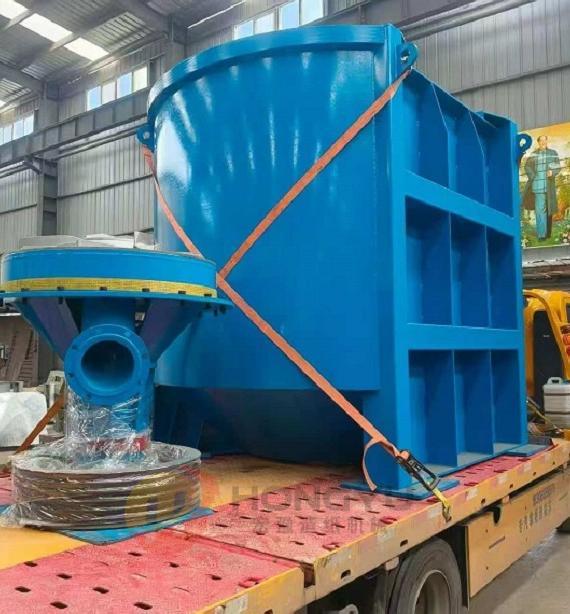
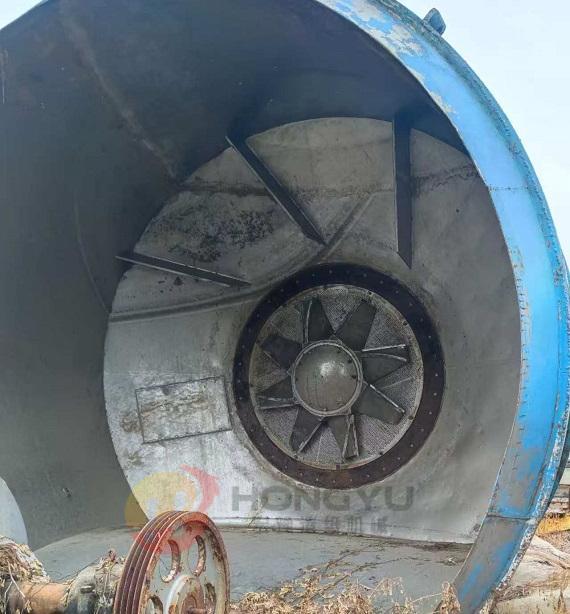
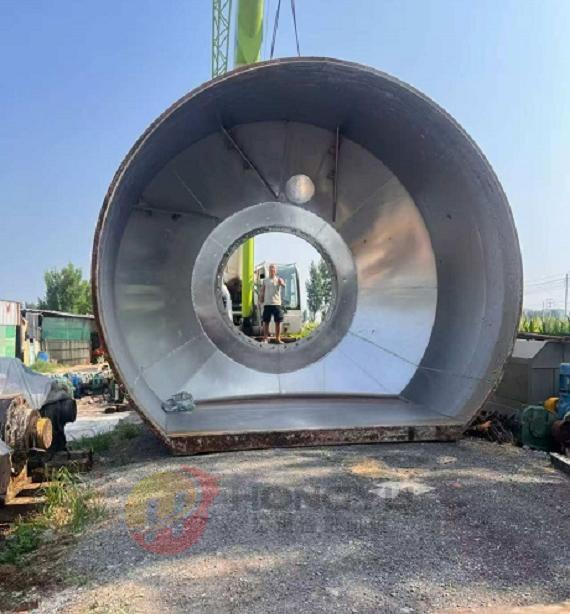
The D-type hydrapulper is a compact, model-specific pulping device tailored for small-to-medium-scale papermaking and waste paper recycling lines, distinguished by its unique D-shaped tank or rotor structure. It specializes in dissociating small batches of waste paper (e.g., office waste paper, cultural paper scraps) and virgin fiber raw materials into uniform pulp slurry, balancing efficient fiber separation with space-saving design and easy maintenance, making it a go-to choice for workshops with limited layout space or low-to-medium throughput demands.
Core Structure & Working Principle
-
Basic Structure
A typical D-type hydrapulper has four core components, with key design optimizations for compactness:
- D-shaped tank body: The signature component, a sealed, D-profile vessel (usually made of stainless steel or coated carbon steel) that reduces floor space by 15%–20% compared to cylindrical hydrapulpers of the same capacity. The flat side of the D-shape aligns with workshop walls or adjacent equipment, while the curved side accommodates the rotor’s fluid circulation, minimizing dead zones where raw materials might accumulate.
- D-profile rotor assembly: The core working unit at the tank bottom, featuring a D-shaped impeller with 3–5 curved blades driven by a medium-torque, low-speed motor (40–100 RPM). This rotor design generates targeted hydraulic shearing and agitation, ensuring thorough fiber dissociation even in the compact tank without excessive energy consumption.
- Integrated feed & impurity trap system: A top-mounted small-batch feed inlet for manual or semi-automatic raw material loading, and a built-in shallow impurity trap at the tank’s curved bottom to capture heavy contaminants (e.g., staples, small metal fragments) from waste paper. The trap’s accessible design allows quick cleaning without disassembling the main equipment.
- Simplified control panel: A user-friendly interface for adjusting slurry consistency (typically 5%–15% for small-batch processing), rotor speed, and pulping time, with basic overload protection for small-scale production scenarios.
-
Operational Mechanism
The D-type hydrapulper operates via a combination of targeted hydraulic shearing and mechanical agitation, optimized for small-batch raw materials:
- First, small bundles of waste paper or virgin fiber and water are added to the D-shaped tank to form a low-to-medium concentration slurry. The tank’s D-profile ensures the raw materials stay within the rotor’s effective agitation range, avoiding material buildup in corners.
- When the D-profile rotor rotates, it creates a focused vortex and turbulent flow in the curved section of the tank. The rotor blades directly impact paper clumps, while the hydraulic shearing force from the D-shaped flow path tears and dissociates the raw materials into individual fibers, preserving fiber length and integrity for subsequent papermaking processes.
- Heavy impurities sink to the integrated trap and are removed via a quick-release valve during routine maintenance, while lightweight contaminants (e.g., plastic fragments) float to the surface for manual skimming.
- After 20–30 minutes of pulping (adjustable based on raw material type), the fully dissociated pulp slurry is pumped out from the side discharge port and sent to downstream screening or concentration equipment.
Key Functions & Application Scenarios
- Small-batch Pulp Production: Ideal for processing low-to-medium volumes of waste paper (e.g., office waste paper, old books, cultural paper scraps) or virgin fiber raw materials, suiting small paper mills or specialty paper production lines with flexible batch demands.
- Space-saving Layout: Its D-shaped tank reduces workshop footprint, making it compatible with compact production areas where cylindrical hydrapulpers cannot be installed, optimizing overall workshop layout efficiency.
- Easy Maintenance: The integrated impurity trap and simplified rotor design allow quick disassembly and cleaning, cutting downtime for routine upkeep and lowering long-term operational costs for small-scale facilities.
- Specialty Pulp Processing: Adaptable to producing small batches of specialty pulp (e.g., tissue paper pulp, handmade paper pulp), with adjustable operating parameters to meet the unique fiber quality requirements of niche paper products.
There are no reviews yet.