


Core Structure & Working Principle
-
Basic Structure
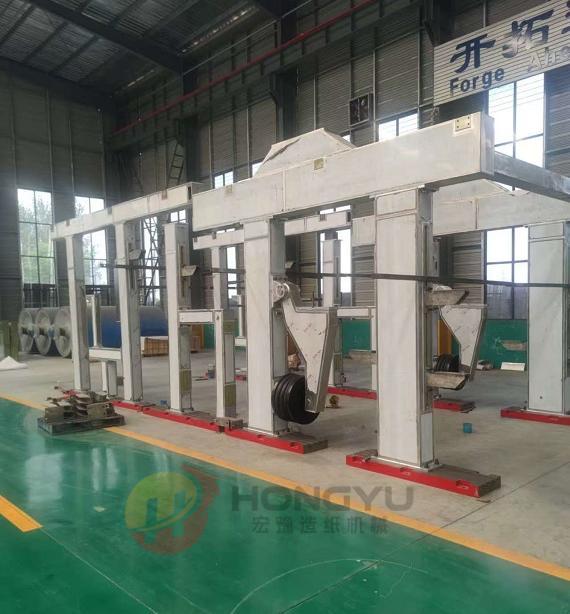
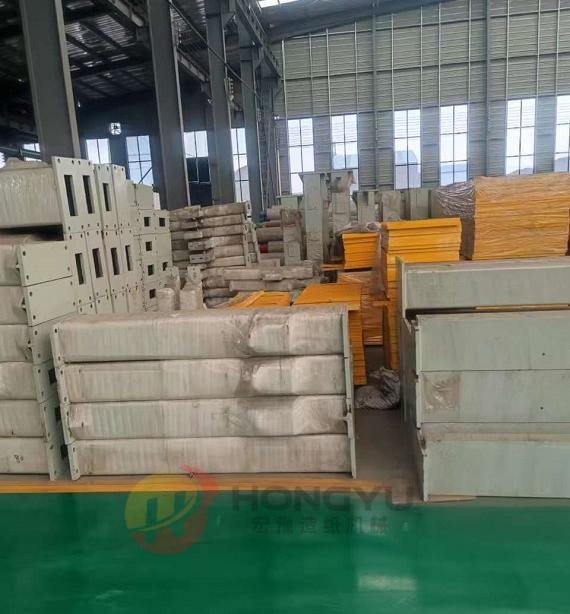
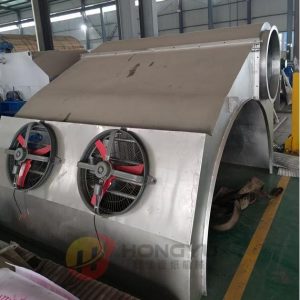
A typical papermaking machine frame is fabricated from high-strength materials—most commonly thick steel plates, steel profiles (e.g., H-beams, square tubes), or cast iron—for superior rigidity and load resistance. Its structure is customized to the machine’s type and function: for example, the frame of a fourdrinier paper machine is a large, integrated steel structure spanning the entire width of the paper web, while the frame of a small coater may be a compact, modular steel assembly. Key design features include reinforced joints, precision-machined mounting surfaces, and corrosion-resistant coatings to adapt to the humid workshop environment of papermaking plants.
-
Operational Role
The frame’s core role is to distribute the weight of the machine and the dynamic loads generated during operation (e.g., vibration from rotating rollers, tension from the paper web) evenly to the factory foundation. It also ensures that all functional components maintain their relative positions with high accuracy—this alignment is critical to preventing paper web breaks, uneven coating, or inconsistent pulp forming during production. Additionally, the frame often incorporates access platforms or maintenance openings to facilitate equipment inspection and repair.
Key Functions & Application Scenarios
- Load Bearing & Stability: Supports the full weight of heavy-duty components (e.g., drying cylinders, press rollers) and absorbs operational vibrations, preventing structural deformation that could compromise production quality.
- Component Positioning: Fixes rollers, sensors, and transmission systems in precise alignment, ensuring the paper web runs smoothly and processes like coating or pressing are executed uniformly.
- Environmental Adaptability: Designed to resist moisture, chemical corrosion (from pulp additives), and long-term wear, making it suitable for the harsh conditions of papermaking workshops.
- Modular Expansion: Many modern frames are built with a modular design, allowing for easy addition of new components (e.g., extra drying units) to upgrade production capacity without full machine replacement.
There are no reviews yet.