
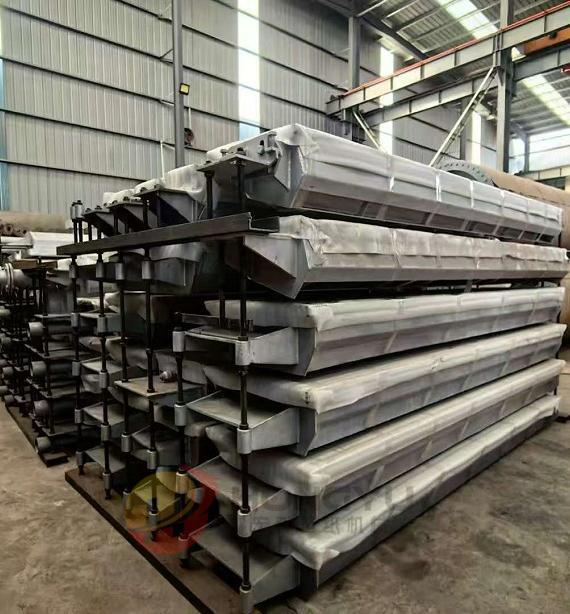
Core Structure & Working Principle
-
Basic Structure
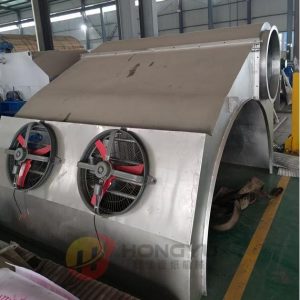
A vacuum suction box typically consists of a sealed box body, a wear-resistant suction panel (contacting the forming wire and wet web), a vacuum connection port, and a drainage system. The panel is designed with fine grooves or holes to evenly distribute negative pressure across its surface.
-
Dewatering Mechanism
When the wet paper web (along with the forming wire) passes over the suction box, a controlled vacuum is applied inside the box. This negative pressure pulls water from the wet web through the porous forming wire and into the box’s internal channels. The water is then discharged via the drainage system, while the cellulose fibers in the web are compacted and bonded more tightly together, forming a stronger, more stable semi-dry web.
Key Functions & Application Scenarios
- Secondary Dewatering: Reduces the moisture content of the wet web (from around 80–85% after forming to 70–75% post-suction), significantly lightening the load on subsequent pressing and drying equipment and improving overall production efficiency.
- Web Stabilization: Compacts the fiber structure to prevent the wet web from breaking or deforming during transfer to downstream processes.
- Application Scope: Used in all types of paper machines (fourdrinier, cylinder, and hybrid models) for producing various paper grades, from cultural paper and packaging paper to specialty industrial paper.
There are no reviews yet.