
-
Steam Supply & Heat Transfer
Saturated steam is continuously fed into the hollow dryer cylinder. The steam condenses on the inner wall of the cylinder, releasing a large amount of latent heat that heats the cylinder’s outer surface to a stable temperature (typically 100–130°C, adjustable based on paper type).
-
Web Drying Process
The wet paper web (with a dryness of 30%–40% after pressing) is tightly wrapped around the heated dryer cylinder surface by guide rolls and press felts. Heat is transferred from the cylinder surface to the paper web, evaporating the remaining free water and capillary water in the pulp fibers.
-
Moisture & Condensate Removal
The water vapor evaporated from the paper web is discharged by the dryer section’s exhaust system. Meanwhile, the condensed water formed inside the cylinder is removed by a siphon device to avoid affecting the heat transfer efficiency of the cylinder wall.
-
Continuous Drying & Quality Control
In actual production, multiple dryer cylinders are arranged in a group (dryer group). The paper web passes through the cylinders in sequence to achieve gradual drying, with its dryness increased to 90%–95% (meeting the finished paper standard). The rotational speed of the dryer cylinders is synchronized with the whole paper machine to ensure uniform drying and prevent paper web shrinkage or deformation.
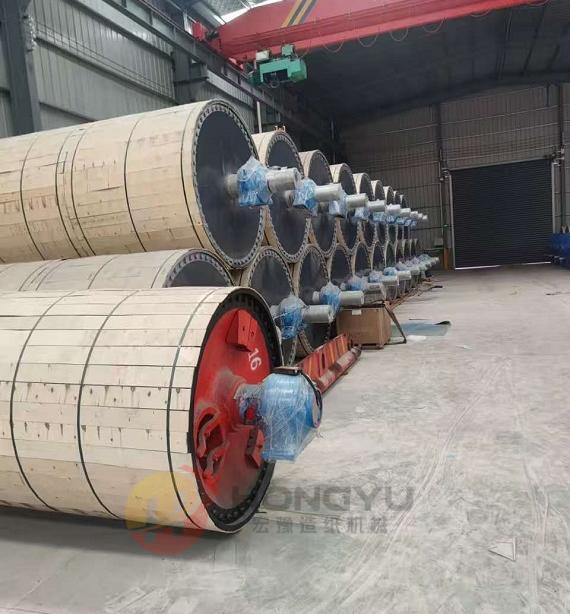
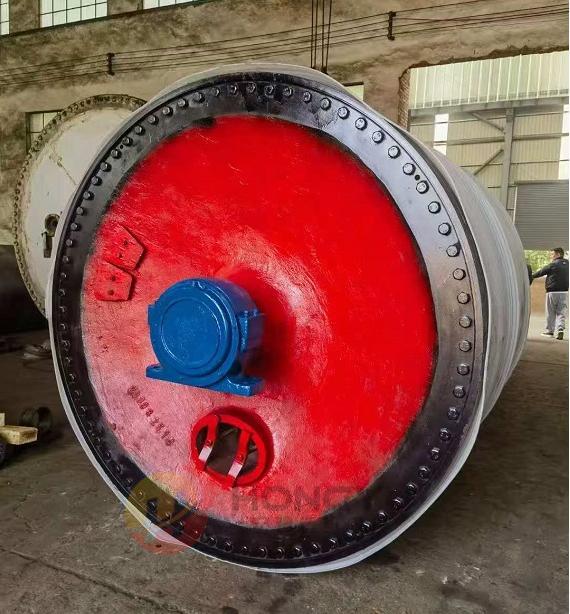
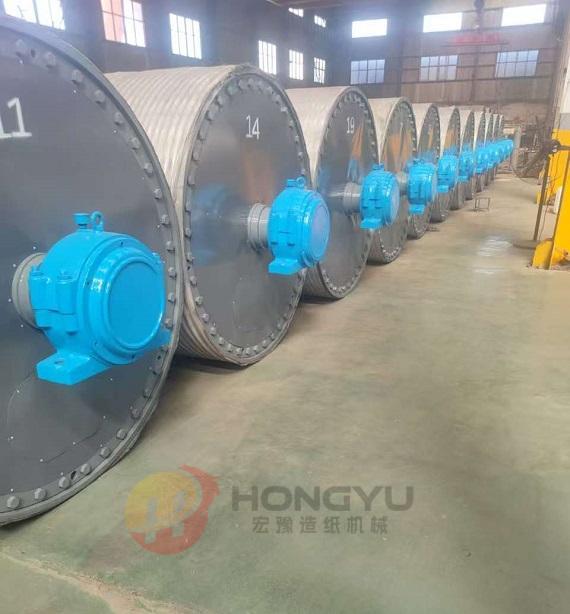
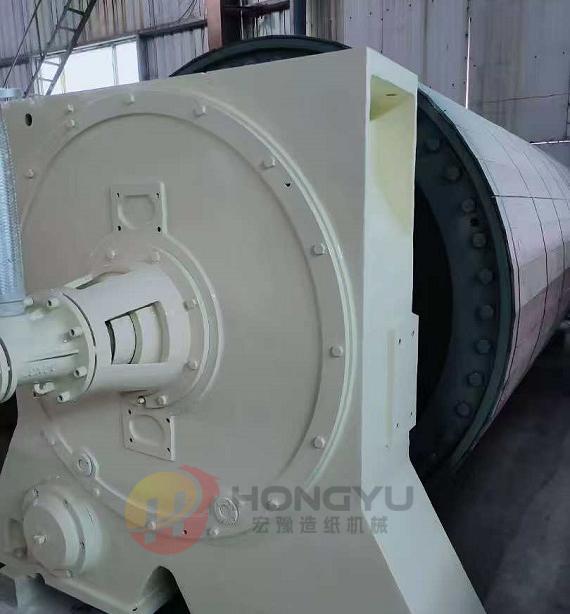
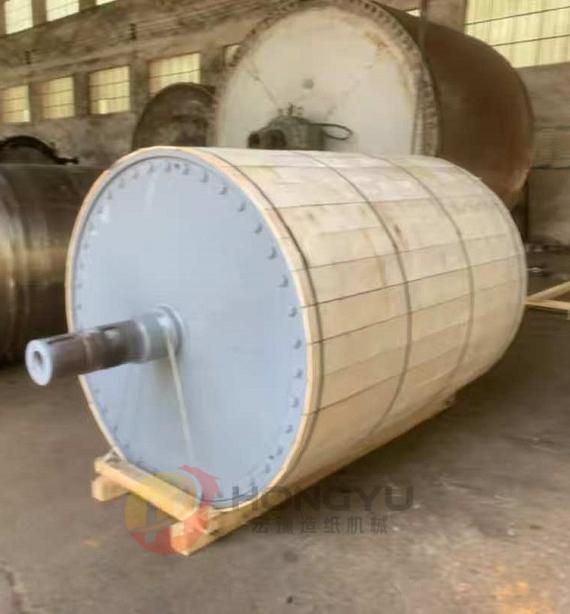
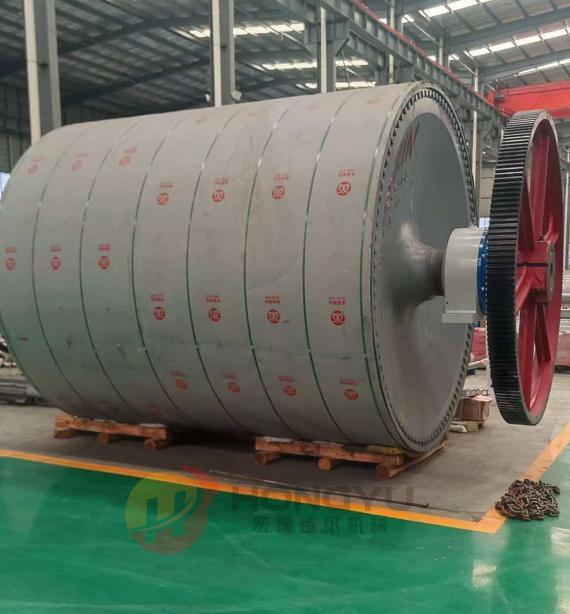
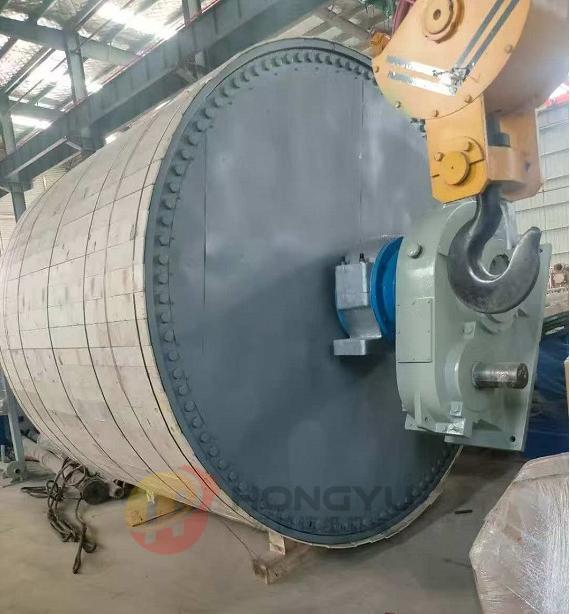
Dryer cylinder
Uses saturated steam to heat the hollow cylinder surface, evaporating moisture from the wrapped wet paper web for drying.
相关产品
-
All Products
Vacuum suction box
-
All Products
Filtrate tank
-
All Products
Roll storage type reel
-
All Products
Multi-disc thickener
admin –
It has survived not only five centuries, but also the leap into electronic typesetting unchanged. It was popularised in the sheets containing lorem ipsum is simply free text five centuries, but also the leap into.