
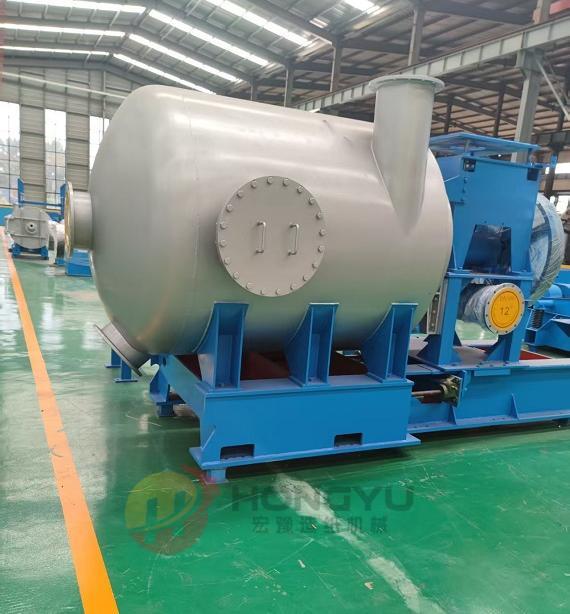
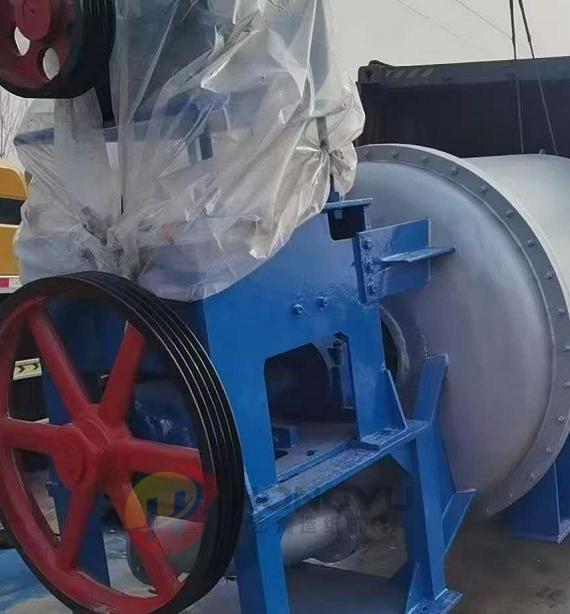
The hydraulic washing machine is a specialized purification device for recycled waste paper pulp in papermaking lines, designed to remove lightweight and sticky contaminants from pulp fibers through high-pressure water impact, hydraulic vortex, and fiber friction. It plays a critical role in the mid-to-late purification stage of recycled pulp production, improving pulp cleanliness while minimizing fiber damage, thus ensuring the quality of the final recycled paper products.
Core Structure & Working Principle
-
Basic Structure
A typical hydraulic washing machine consists of four core components:
- Washing chamber: A sealed cylindrical or conical cavity (made of corrosion-resistant stainless steel) that serves as the main purification space, with internal baffle plates or guide vanes to create controlled fluid flow patterns.
- High-pressure water nozzle assembly: The key cleaning unit, composed of multiple directional nozzles installed at the inlet or inner wall of the chamber, which spray high-pressure water (usually 0.5–2.0 MPa) onto the incoming pulp slurry.
- Impurity separation system: A dual-outlet structure at the chamber’s end—one for discharging cleaned pulp (accepts) and another for collecting separated contaminants (rejects, such as adhesives, ink particles, and micro-plastics). Most models include a floating impurity skimmer for lightweight pollutants and a sedimentation zone for denser fine impurities.
- Feed & discharge control system: A variable-speed feed pump to regulate pulp flow rate, and a pressure control valve to adjust water jet intensity based on pulp contamination levels and fiber type.
-
Operational Mechanism
The hydraulic washing machine relies on three synergistic purification mechanisms:
- High-pressure water impact: Pre-concentrated recycled pulp (consistency of 2%–5%) is fed into the washing chamber, and high-pressure water jets from the nozzles strike the pulp fibers at specific angles. This impact dislodges surface-adhered contaminants like ink particles, glue residues, and coating fragments without breaking the fiber structure.
- Hydraulic vortex separation: The guide vanes and baffle plates in the chamber generate a strong hydraulic vortex. Due to differences in density and size between fibers and contaminants, lightweight sticky impurities are carried to the vortex center or float to the surface, while denser fine impurities settle to the chamber bottom, separating them from the heavier, longer fibers.
- Fiber-to-fiber friction: The turbulent fluid flow in the chamber causes fibers to rub against each other, further stripping off stubborn surface contaminants and enhancing overall pulp cleanliness.
After purification, the cleaned pulp is discharged from the main outlet and sent to subsequent concentration or refining processes, while the collected contaminants are routed to waste treatment systems for disposal. The used washing water can be recycled after filtration to reduce water consumption.
Key Functions & Application Scenarios
- Contaminant Removal: Targets sticky substances (hot melts, adhesives), ink particles, micro-plastics, and coating residues from recycled pulp—impurities that are hard to eliminate via traditional screening, preventing paper defects like spots or stickiness in the final product.
- Low Fiber Damage: The non-mechanical, water-based purification method avoids excessive shearing or crushing of fibers, preserving fiber length and strength, which is essential for maintaining the physical properties of recycled paper (e.g., tensile strength, bursting resistance).
- Recycled Pulp Adaptability: Ideal for processing various waste paper pulps, including old corrugated containers (OCC), mixed office waste (MOW), and waste newspaper pulp, adapting to different contamination levels by adjusting water pressure and flow rate.
- Environmentally Friendly Operation: The closed-loop water recycling system reduces fresh water usage, and the centralized impurity collection minimizes pollutant discharge, aligning with the environmental requirements of modern paper mills.
There are no reviews yet.