
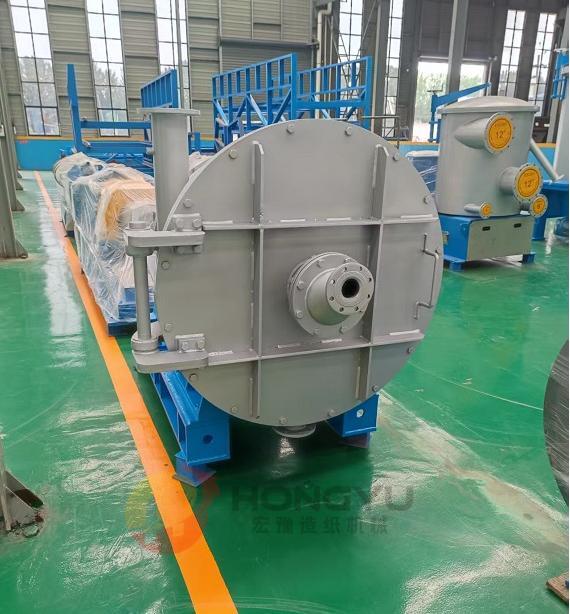
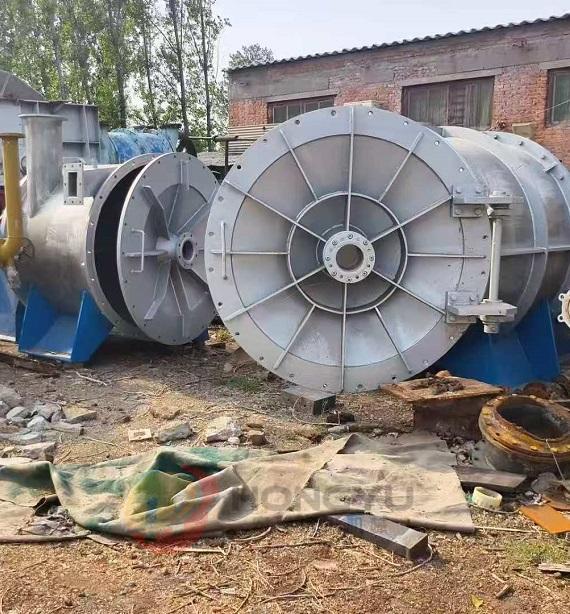
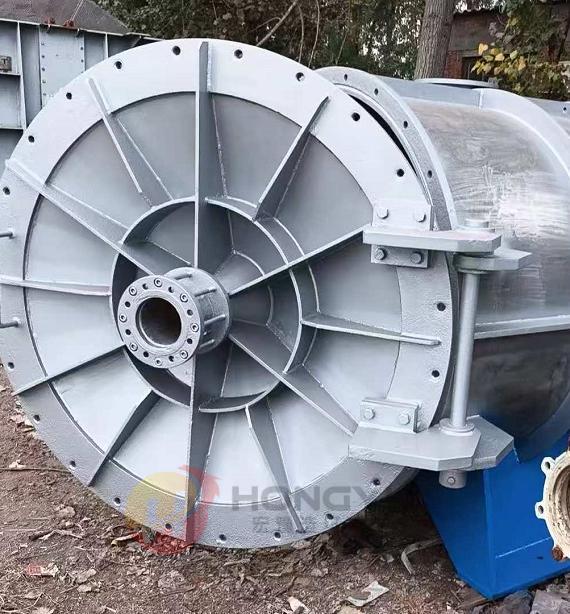
Core Structure & Working Principle
-
Basic Structure
A typical fiber separator consists of four key components:
- Feeding chamber: A sealed vessel that receives pulped waste paper slurry (usually with a consistency of 3%–8%) and pre-softens fiber clumps via low-speed agitation.
- Rotating impeller/rotor: The core working part, equipped with specially shaped blades that generate shearing and kneading forces to break down compacted fiber bundles into individual fibers. The rotor’s speed and blade design can be adjusted based on pulp type and impurity content.
- Screen basket: A perforated or slotted cylinder (slot size typically 0.2–1.0 mm) that filters out oversized non-fibrous contaminants while allowing separated fibers to pass through.
- Discharge system: Two separate outlets for purified fiber pulp (accepts) and concentrated contaminants (rejects), with some models adding a washing system to rinse residual fibers from rejects and reduce material waste.
-
Operational Mechanism
First, waste paper slurry is pumped into the feeding chamber, where gentle agitation loosens large fiber clumps. The slurry then flows to the rotor zone, where high-speed rotating blades apply targeted shearing forces to dissociate fiber bundles without excessive fiber shortening or damage. As the slurry passes through the rotor, usable fibers are pushed through the screen basket’s slots into the accepts collection system, while rigid or sticky non-fibrous impurities (e.g., plastic films, hot-melt adhesives, and staples) are retained in the screen zone. These rejects are discharged through a dedicated outlet for further disposal or secondary processing, ensuring the purified fiber pulp meets the purity standards for subsequent papermaking processes.
Key Functions & Application Scenarios
- Fiber Dissociation: Breaks down compacted fiber bundles from waste paper to restore their flexibility and bonding capacity, a prerequisite for producing strong recycled paper.
- Impurity Separation: Removes non-fibrous contaminants (especially sticky substances that are hard to eliminate with standard screens) to prevent defects like paper spots or roll contamination in downstream processes.
- Waste Paper Adaptability: Handles various waste paper types, including old corrugated containers (OCC), mixed office waste (MOW), and newsprint, making it a staple in recycled pulp production lines.
- Resource Recovery: Maximizes fiber recovery rate while minimizing impurity carryover, reducing raw material waste and lowering the environmental footprint of papermaking operations.
There are no reviews yet.