
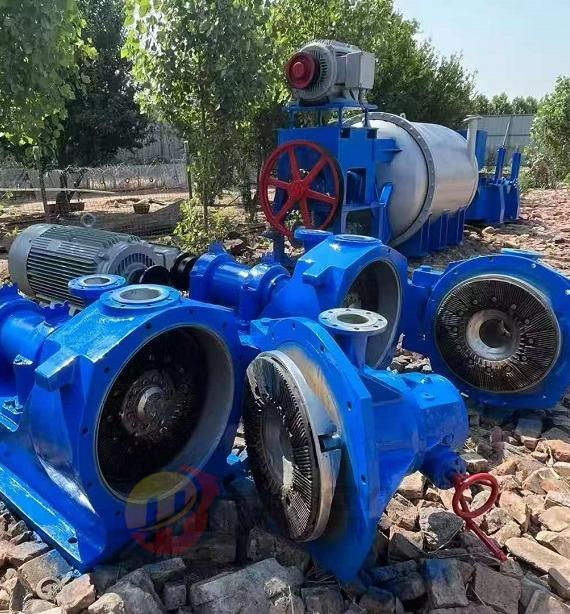
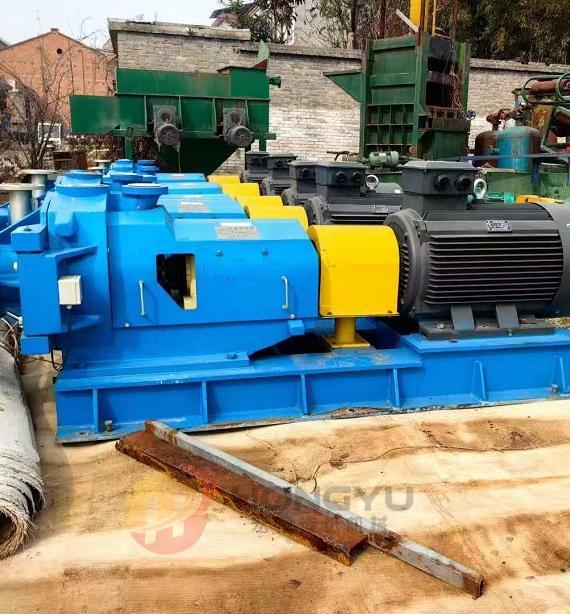
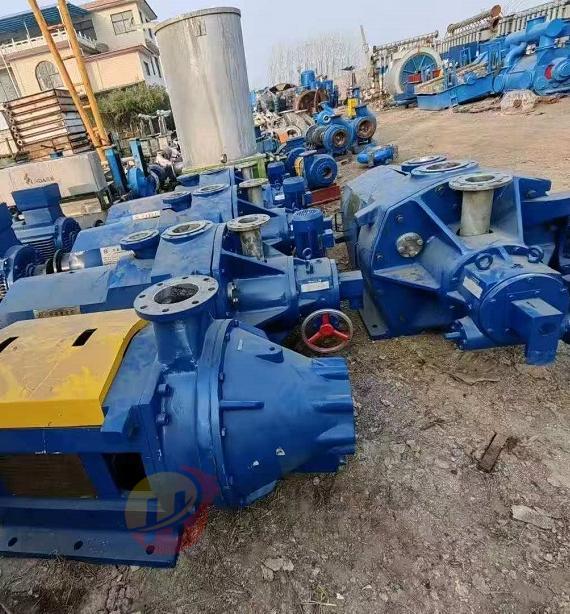
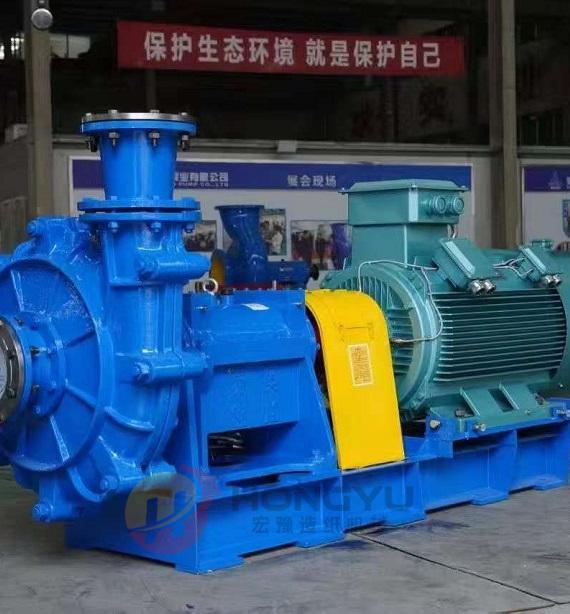
Core Structure & Working Principle
-
Basic Structure
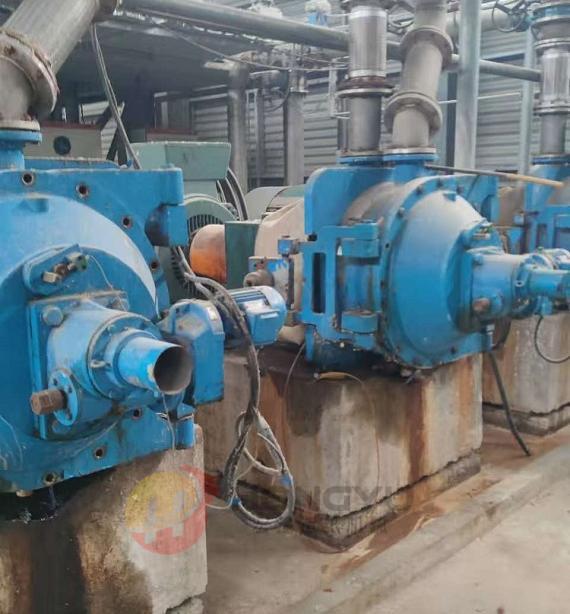
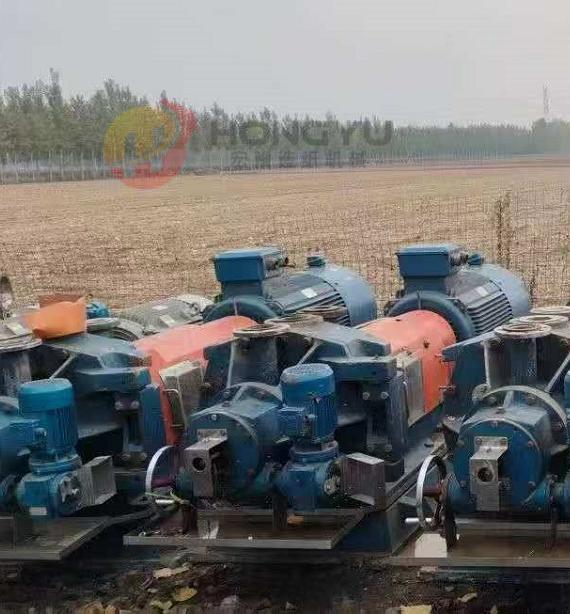
The most common type in papermaking is the disc refiner, which consists of a motor, a transmission system, a housing, and two or more concentric circular refiner plates (the key working components). Refiner plates are made of wear-resistant alloy steel or ceramic and feature precise patterns of bars and grooves. Some specialized models (e.g., conical refiners) use tapered rotor and stator surfaces instead of flat discs, but the core working principle remains consistent.
-
Operational Mechanism
When raw pulp is fed into the refiner, it passes through the narrow gap between the rotating and stationary refiner plates. As the plates rotate at high speed, the pulp fibers are subjected to a combination of shearing, rubbing, and compressive forces. This process breaks down fiber bundles into individual fibers, creates micro-fibrils on fiber surfaces (a phenomenon called fibrillation), and shortens overly long fibers to a uniform length. The degree of refining can be adjusted by modifying the plate gap or rotational speed to meet the quality requirements of different paper grades (e.g., packaging paper requires stronger fibers, while cultural paper needs finer, more flexible fibers).
Key Functions & Application Scenarios in Papermaking
- Fiber Modification: Improves fiber bonding ability by increasing the surface area of fibers through fibrillation, which boosts the tensile and burst strength of finished paper.
- Pulp Homogenization: Ensures consistent fiber length and structure across the pulp batch, preventing uneven paper formation and improving sheet uniformity.
- Adaptation to Raw Materials: Processes various pulp types, including wood pulp (softwood/hardwood), recycled pulp, and non-wood pulp (straw, bamboo), to tailor fiber properties for specific paper products.
- Production Efficiency: Works as a critical link between pulp cooking/bleaching and paper forming, enabling papermakers to produce high-quality pulp at scale while reducing waste from under-refined or over-refined fibers.
There are no reviews yet.