
Core Structure & Working Principle
-
Basic Structure
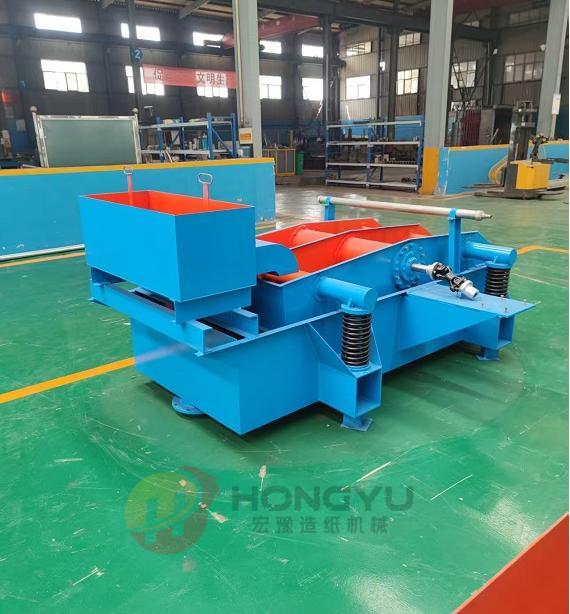
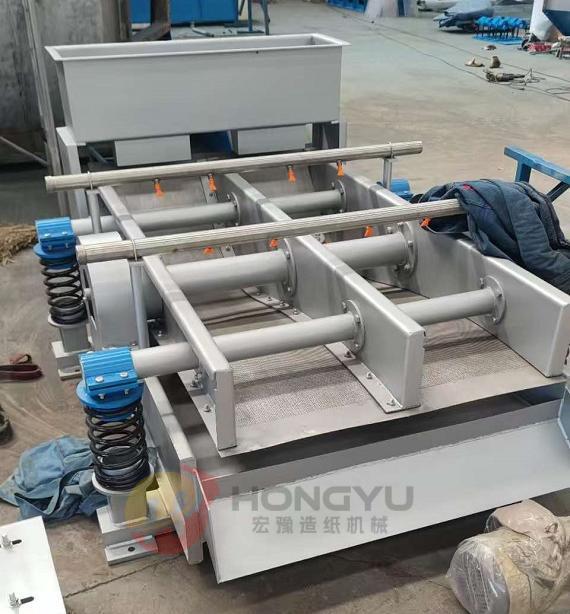
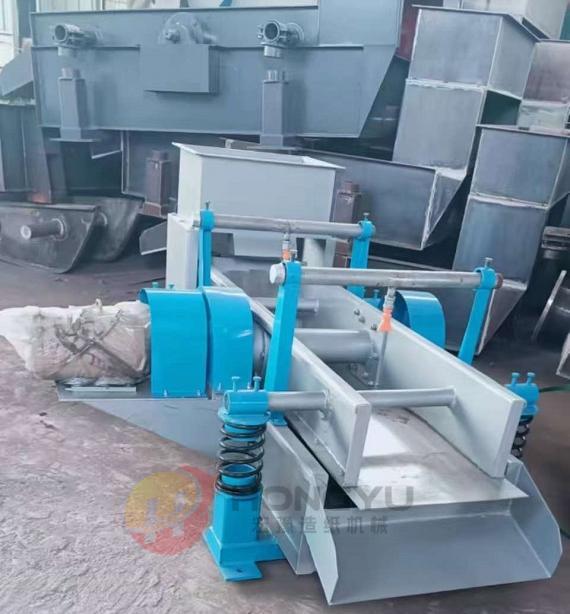
A typical vibrating screen for papermaking consists of four key components:
- Screen frame: A rigid metal frame (usually steel or aluminum alloy) that supports the entire device and connects to the mounting base, providing structural stability during high-intensity vibration.
- Screen mesh: The core filtering component, made of wear-resistant materials such as stainless steel wire or polyurethane. The mesh aperture is customized based on pulp type and impurity size (common apertures range from 0.1–2 mm for papermaking applications).
- Vibration drive system: Composed of a motor and eccentric weights (or vibration exciters), which generates high-frequency, directional vibration (typically 800–1500 vibrations per minute) to agitate the pulp on the mesh.
- Pulp inlet/outlet system: A feed hopper that distributes pulp evenly across the screen surface, and separate outlets for filtered pulp (filtrate) and removed impurities (rejects). Some models also include a spray system to wash residual pulp from the screen mesh and reduce waste.
-
Operational Mechanism
When raw pulp is fed onto the inclined screen mesh, the vibration drive system activates to create rapid, reciprocating or circular vibration. This vibration causes the pulp slurry to spread evenly across the mesh and move toward the discharge end. During this movement, fine pulp fibers and water pass through the mesh apertures and flow into the clean pulp collection tank, while large contaminants (such as unprocessed fiber bundles, wood debris, metal fragments, and sand particles) are retained on the mesh surface. The retained impurities slide down the inclined screen to the reject outlet under the force of vibration and gravity, completing the separation process. The vibration also prevents the mesh from clogging with pulp or debris, ensuring continuous and efficient operation.
Key Functions & Application Scenarios
- Impurity Removal: Eliminates large or hard contaminants from raw pulp, preventing damage to precision downstream equipment (e.g., refiner plates, paper machine rollers) and avoiding defects like spots or holes in finished paper.
- Pulp Classification: For some specialized papermaking processes, it can classify pulp by fiber size, separating overly coarse fibers for reprocessing and sending fine fibers directly to the papermaking line.
- Process Protection: Acts as a pre-treatment barrier for pulping lines, reducing maintenance downtime of downstream machines caused by impurity blockages or abrasion.
- Adaptability: Used in both chemical pulping and mechanical pulping lines, and is compatible with various pulp types (wood pulp, recycled pulp, non-wood pulp like straw or bamboo) and pulp consistencies (low to medium).
There are no reviews yet.